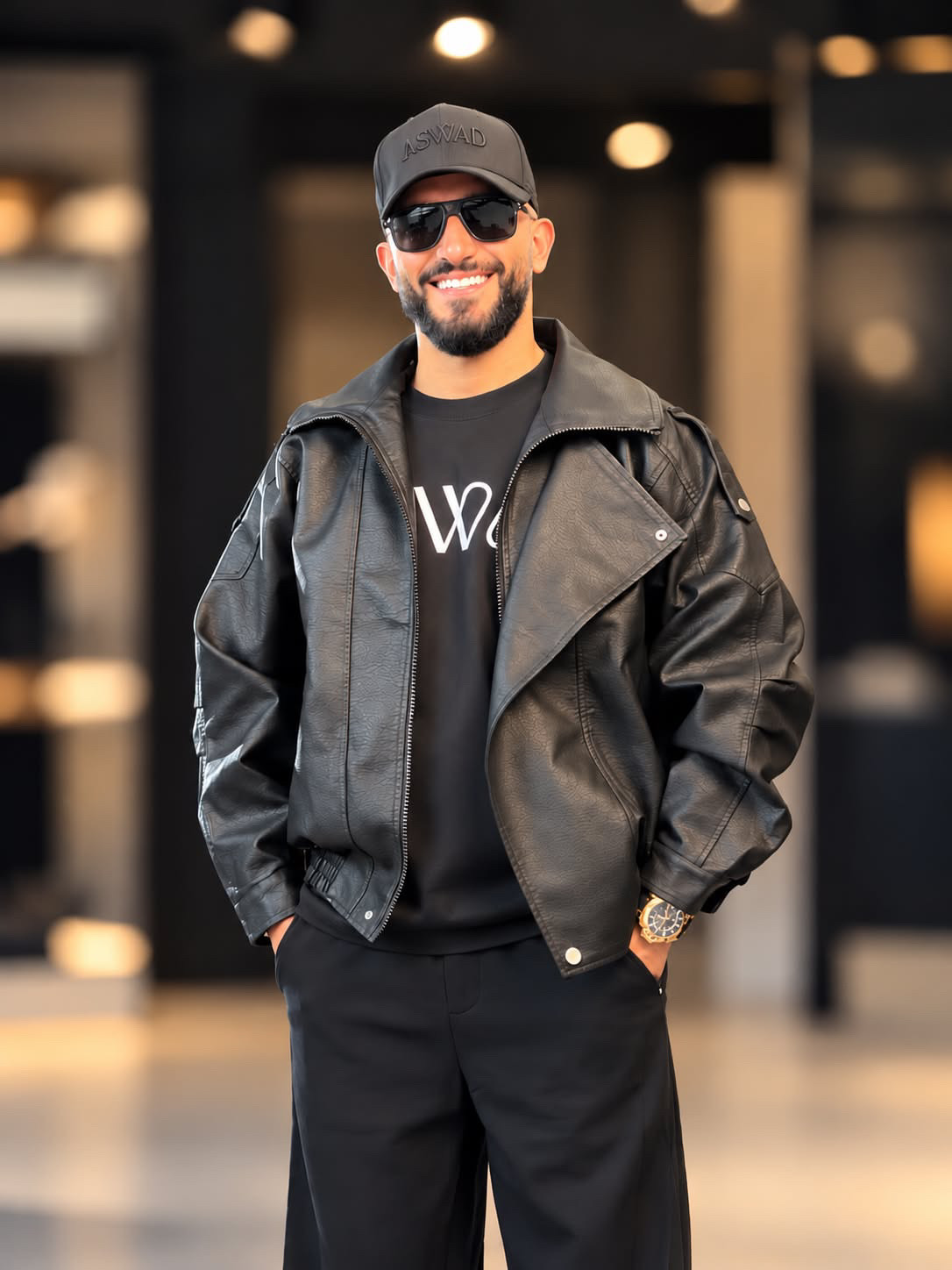
On May 27, 2026, Mohammad Abdul Rahman Asfour and his friend Haroun Al-Akkad went to Zawtar al-Sharqiyah in southern Lebanon.
They never came home.
Mohammad was 26. Born in 2000, he worked as a delivery driver for Toters and had graduated in 2025 with a degree in journalism and media.
Haroun was 22, born in 2004. He worked as a baker in a bakery he ran with his brothers.
That afternoon, at around 12:30 p.m., the two friends went to inspect the site of an Israeli airstrike in Zawtar al-Sharqiyah, in the Nabatieh area.
Then another strike came.
An Israeli drone struck them.
At around 2:30 p.m., Mohammad managed to make a phone call. He said that he had been wounded and was bleeding. Haroun, he said, was also bleeding and had lost consciousness.
Mohammad asked for an ambulance.
“Don’t leave us alone,” he pleaded.
Contact with the two continued only briefly. At around 3 p.m., their families lost contact with them.
Then there was silence.
But the story did not end at the site of the strike.
About a month later, phone records obtained by the authorities revealed something that deepened the mystery surrounding their disappearance: Mohammad’s phone had moved from Zawtar al-Sharqiyah to Sultaniyeh.
Records also indicated that his phone answered a call at around 6 p.m. on the same day — hours after he and Haroun had been wounded.
Since May 27, their families have been left without the most basic answer: what happened to Mohammad and Haroun after the strike?
Two young men went to Zawtar al-Sharqiyah that afternoon. One of them called for help while both were wounded. Hours later, a phone associated with Mohammad appeared elsewhere.
And then both disappeared.
More than three months later, Mohammad Abdul Rahman Asfour and Haroun Al-Akkad remain missing. Their families are still waiting to know what happened to them — and where they are.
Reporting note: This follow-up is based on updated information shared with Alex Jørgensen by the men’s families.
Featured image: Mohammad Abdul Rahman Asfour and Haroun Al-Akkad. Family photographs supplied to the author; AI was used only to combine, resize and format the images for publication.
Further reporting: Al-Modon · Ecco Watan