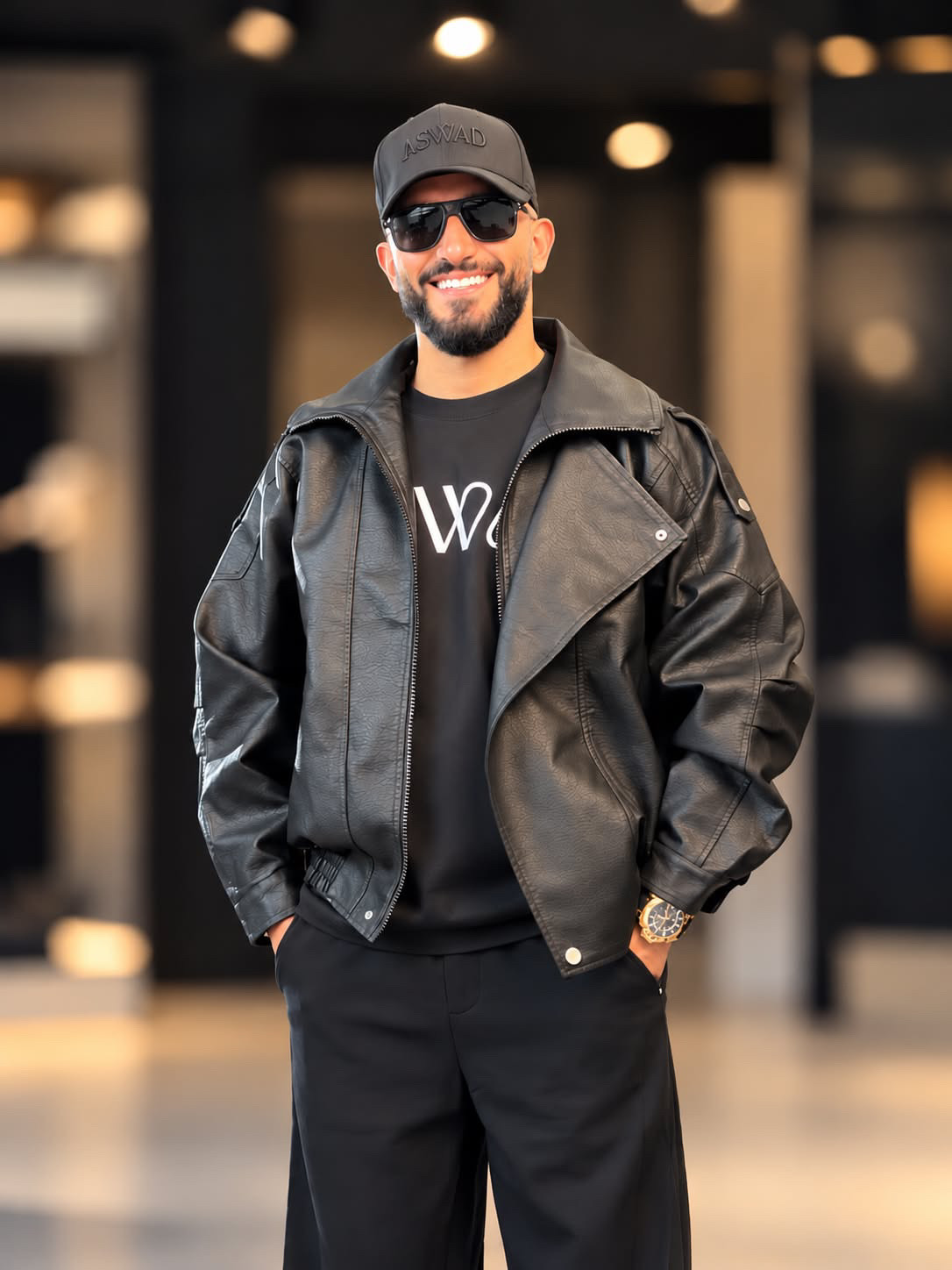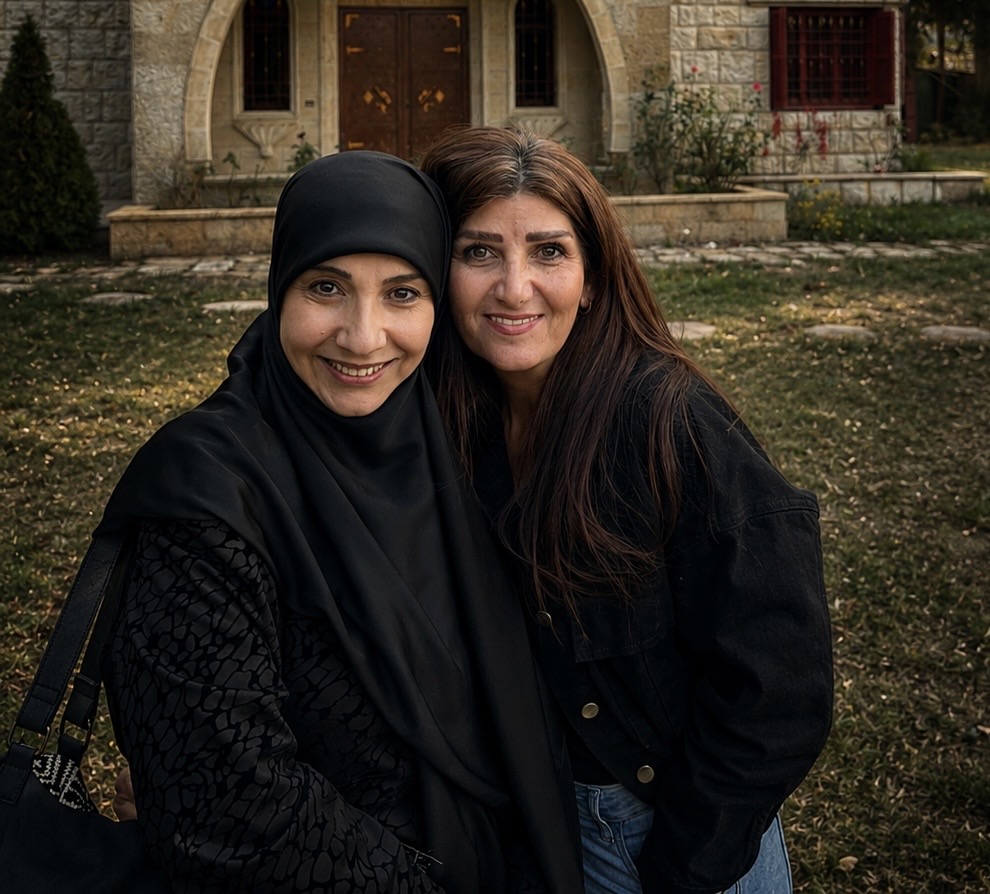
Brought together by their work supporting displaced families, the two women were killed while collecting medicine in Kayfoun.
Suzan Khalil and Rana Chaya did not meet through journalism, politics or public life.
They met because people needed help.
Brought together by service
For more than twenty-five years, Suzan worked in journalism. She also pursued a career in education, carrying with her a belief in the importance of knowledge and public service. Her life changed when Israel’s 2024 war on Lebanon forced thousands of families from their homes.
Suzan could have remained behind the camera and documented what was happening.
Instead, she chose to become directly involved.
She began volunteering to support displaced families, helping secure food, medicine and other essentials for people who had been forced to leave almost everything behind.
That work brought her to Rana Chaya.
Rana was a mother of two from Baysour. She was not a public figure, but those who knew her remembered a woman whose generosity reached far beyond her own home. From the beginning of the war, she devoted her time to helping displaced families and making sure people received what they needed.
Suzan and Rana were brought together by the war, but it was their shared humanity that made them friends.
What began as volunteer work gradually became a close friendship. They shared the same sense of responsibility and the same refusal to stand by while others suffered. By the time war returned in 2026, they were working together every day, collecting aid and delivering it wherever it was needed.
Their final mission
Their final mission was to secure medicine for displaced families.
On 8 April 2026, a day remembered in Lebanon as “Bloody Wednesday,” Suzan and Rana travelled to Mimma Tuhibboun Pharmacy in Kayfoun. The pharmacy was known for providing medicine at affordable prices, making it an important source of support for families struggling during the war.
They went there for one reason: to help others.
They never returned.
An Israeli airstrike hit the area while they were at the pharmacy, killing them both. Suzan, a journalist and educator who had spent more than twenty-five years serving the public, and Rana, a mother of two who had dedicated herself to helping displaced families, were killed while trying to bring medicine to people in need. Le Monde
Their deaths cannot be separated from what they were doing at the moment Israel killed them.
They were not fighters.
They were not carrying weapons.
They were carrying out humanitarian work.
A legacy of care
Suzan was more than a journalist. Rana was more than a volunteer. Together, they represented a quiet form of courage that rarely receives enough attention during war: the courage to continue helping others while knowing that nowhere is truly safe.
Their friendship was born during one Israeli war on Lebanon and ended during another.
Yet their story should not be reduced to the strike that killed them.
It is also the story of two women who found each other through service. Two women who saw displaced families in need and decided that concern alone was not enough. Two women who turned solidarity into action and continued their work until their final day.
On 8 April, Suzan and Rana left to buy medicine for displaced families.
That was their final act.
An act of care.
An act of friendship.
An act of humanity.
Israel killed them before they could return, but it could not erase what they had done or the people whose lives they had touched.
Suzan Khalil and Rana Chaya met because war created suffering.
They will be remembered because, in the middle of that suffering, they chose to help.
Reporting note: This article is based on Alex Jørgensen’s personal interview with Suzan Khalil’s daughter, who confirmed the family details reported here. The family spelling of Suzan Khalil’s name has been used. The circumstances of the Kayfoun strike and the women’s humanitarian work were also reported by Le Monde.